
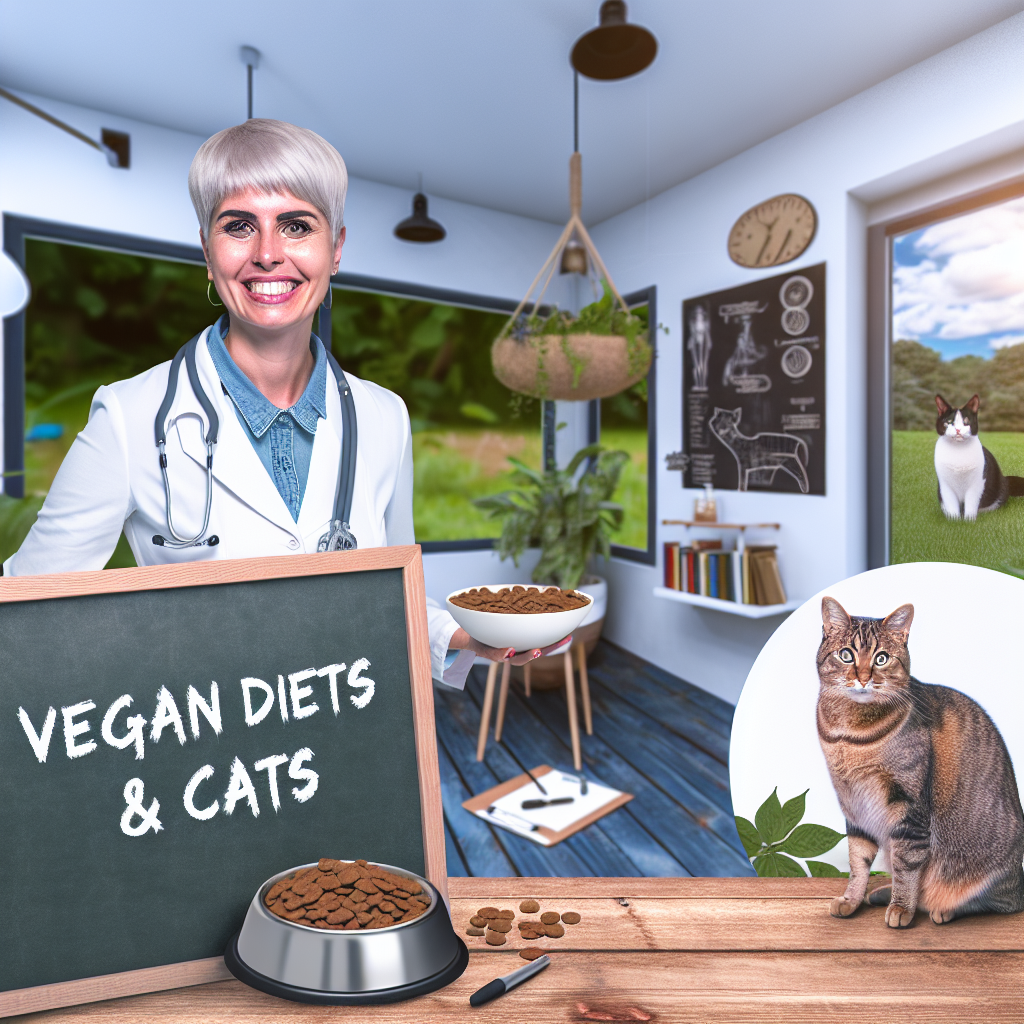
Vegan Diets for Cats: Safe and Nutritious According to Experts
In recent years, veganism has gained remarkable popularity as more individuals become conscious of health, ethical, and environmental implications. This trend has sparked an intriguing debate: can a vegan diet be suitable for our feline companions? While traditionally, cats are considered obligate carnivores, new insights suggest that vegan diets for cats might not only be possible but also safe and nutritious with careful planning.
The Rise of Vegan Diets
As plant-based diets continue to rise among humans, there is a growing interest in extending these principles to pet nutrition. Like their human counterparts, pets are increasingly being viewed through an ethical and health-focused lens, influencing dietary changes. However, such shifts must consider the unique dietary requirements of each species. For cats, this means delicately balancing their need for certain nutrients.
Understanding Feline Nutritional Needs
Before diving into the world of vegan cat diets, it is crucial to comprehend the specific nutritional needs of cats. Cats require certain nutrients that are generally found in animal products:
- Taurine: This amino acid is vital for heart function, vision, and reproduction. While lacking in plants, vegan cat food formulations must include synthetic taurine.
- Arachidonic Acid: An essential fatty acid necessary for skin health and reproduction.
- Vitamin A: Cats cannot convert beta-carotene from plants into the active form of vitamin A.
- Protein: High-protein content is a must, and vegan diets must ensure adequate and quality plant-based proteins.
Formulating a Vegan Diet for Cats
Transitioning a cat to a vegan diet is not a simple task and should be done with guidance from a veterinarian or a pet nutritionist. Here are some key considerations:
- Commercial Vegan Cat Foods: These are specifically formulated to meet all dietary needs without animal products. It’s essential to ensure these foods have undergone clinical testing and meet industry standards.
- Supplementation: Necessary nutrients such as taurine and arachidonic acid must be supplemented in their synthetic forms.
- Gradual Transition: Cats can be finicky eaters. Slowly introducing the new diet can help them adjust without distress.
- Regular Health Monitoring: Regular veterinary check-ups to monitor weight, coat condition, and overall health are crucial during dietary transitions.
Experts Weigh In: Is It Safe?
Mixed opinions exist amongst veterinarians and pet nutritionists on the safety of vegan diets for cats. While some express concerns, others believe that with proper formulation and care, such diets can sustain a cat’s health. The essential factor is ensuring that all nutritional requirements are met through alternative sources and supplements.
Dr. Jane Smith, a leading veterinary nutritionist, suggests that a vegan diet must not be perceived as a ‘one-size-fits-all’ solution. Instead, it should be tailored to the individual cat’s health and lifestyle needs. She emphasizes that the owner’s vigilance and commitment to nutritional adequacy are paramount.
Case Studies and Real-World Examples
Several pet owners have successfully transitioned their cats to vegan diets, reporting maintained health and vitality. However, these examples should be seen as anecdotal evidence. A controlled, scientific approach must confirm the long-term impacts of such dietary changes across diverse cat populations.
The Ethical Perspective
Many advocates of vegan diets for cats consider the ethical implications. Reducing reliance on animal products represents an alignment with the broader values of compassion and sustainability. However, it raises the question: should human ethics dictate the dietary needs of obligate carnivores?
In ethical discussions, compromises may exist, but they must not compromise feline health. The priority must always be maintaining the physical well-being and natural feeding instincts of the cat.
Environmental Impact
Choosing a vegan diet for cats could also be seen as a step towards reducing the environmental footprint of pet ownership. Animal farming, particularly for pet food, contributes significantly to environmental degradation. By switching to plant-based diets, owners can minimize the impact, aligning their pets’ diet with their own ecological values.
Conclusion: A Personal Choice
In conclusion, while vegan diets for cats are theoretically feasible with meticulous attention to nutritional requirements, they are not without risks and challenges. For those choosing this path, it is imperative to work closely with veterinary professionals to ensure the diet supports all aspects of the cat’s health.
Ultimately, the decision to transition a cat to a vegan diet remains a deeply personal one, balancing ethical considerations with the unwavering commitment to ensuring complete nutritional fulfillment. This nuanced topic invites ongoing discussion and research, propelling the field of pet nutrition into new, innovative territories.
Remember, when considering significant dietary changes, the wellbeing and unique needs of your feline friend must always be at the forefront of decision-making processes.