
Breeding Trends Lead to Health Issues in Dogs and Cats
When we think of dogs and cats, images of loyal companions and adorable furballs often come to mind. However, behind those wagging tails and contented purrs lurk significant health challenges that have become prevalent due to selective breeding practices. These trends, while catering to specific aesthetic or behavioral qualities, often leave our beloved pets with dire physical consequences.
Understanding the Impact of Selective Breeding
Selective breeding in pets is a double-edged sword. While it has given rise to various beloved breeds, aligning with human preferences for particular traits, it also poses significant health risks. By focusing on distinct physical characteristics, breeders inadvertently crystallize genetic health problems.
The Rise of Purebred Popularity
Over recent decades, there has been a substantial surge in demand for purebred cats and dogs. The allure of owning a breed with specific, predictable traits has driven this trend. However, this popularity comes with a heavy price.
- Exaggerated Traits: Many purebreds are bred to enhance particular features, such as the flat noses of Bulldogs or the elongated bodies of Dachshunds. These aesthetic traits often lead to severe respiratory and musculoskeletal problems.
- Limited Gene Pool: Breeding within a restricted gene pool increases the likelihood of hereditary disorders. This lack of genetic diversity is a breeding ground for congenital issues.
Common Health Issues Stemming from Breeding Practices
As we delve into the health repercussions of selective breeding, several common issues emerge, shedding light on the unintended consequences for our furry friends.
Respiratory Problems
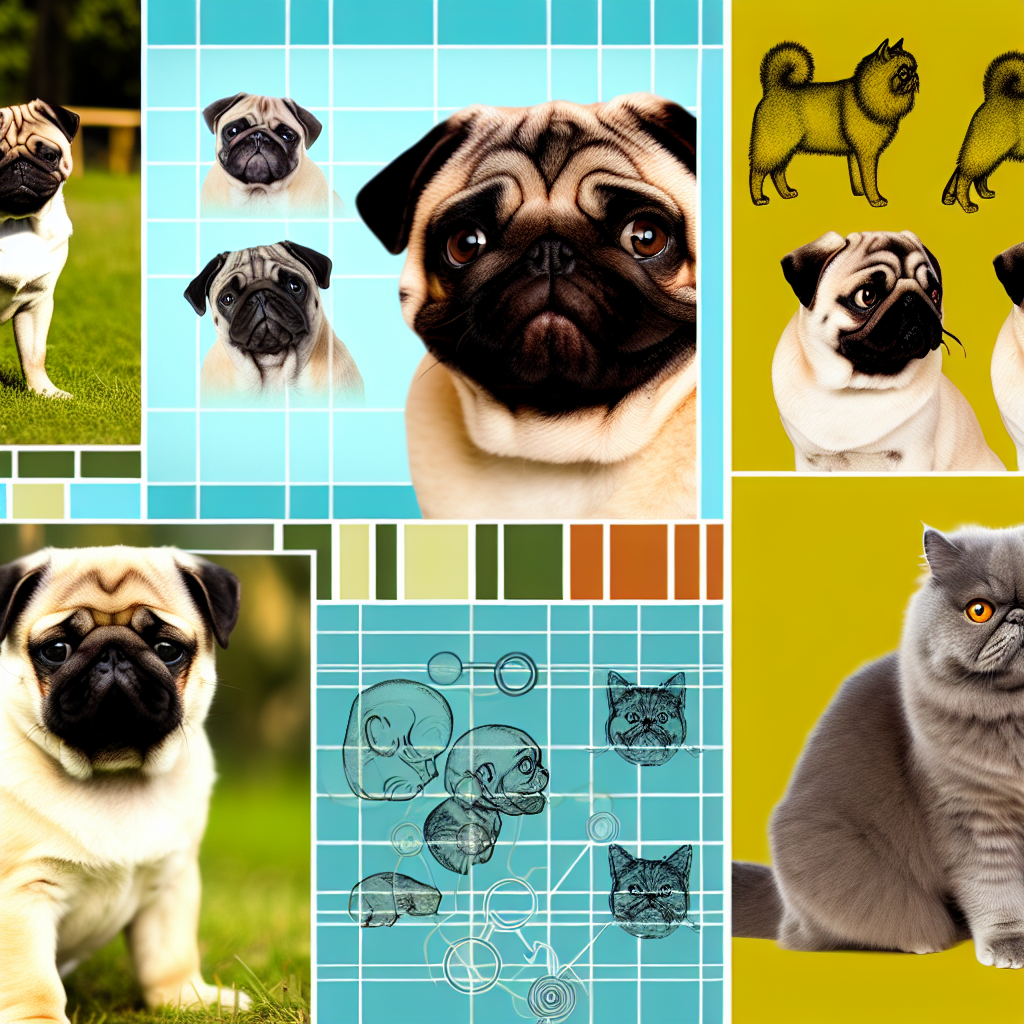
Certain breeds, such as Pugs and Persians, have been bred to showcase a flat-faced appearance, making them adorable to many. However, this appearance leads to a condition known as brachycephalic airway syndrome. Pets affected by this condition experience chronic breathing difficulties, which can lead to more severe health complications over time.
Joint and Bone Disorders
Breeds like the German Shepherd and Dachshund are prone to skeletal issues due to their specific body structures. Hip dysplasia and intervertebral disc disease are common in these dogs, leading to painful joint problems and mobility issues as they age.
Hereditary Conditions
The endearing qualities of purebreds often overshadow their genetic predispositions to certain diseases. Here are some examples:
- Heart Disease: Many Cavalier King Charles Spaniels inherit mitral valve disease.
- Deafness: Dalmatians frequently face this issue due to genetic factors linked with their unique coloration.
- Eye Conditions: Progressive retinal atrophy, leading to blindness, is prevalent in breeds like the Labrador Retriever.
Addressing the Problem: A Call for Responsible Breeding
Despite the challenges, addressing these trends and ensuing health problems involves collective responsibility. Both breeders and pet enthusiasts have a role to play in mitigating the risks associated with selective breeding.
Promoting Genetic Health
To foster the well-being of future generations of pets, here are several proactive measures that can be taken:
- Education: Raising awareness among prospective pet owners about the health implications tied to specific breeds is paramount.
- Genetic Testing: Breeders should implement rigorous health screening for genetic diseases, ensuring that breeding pairs carry fewer hereditary conditions.
- Diverse Gene Pool: Encouraging breeding strategies that prioritize genetic diversity can significantly reduce inherited diseases.
Adopting a Broader Perspective
While purebred dogs and cats have their dedicated admirers, considering mixed-breed animals is equally vital. Often, mixed breeds are healthier due to a wider genetic pool, making them a fantastic choice for many families.
Furthermore, bolstering adoption from shelters is a win-win approach. Not only does it provide a loving home to an animal in need, but it also helps control the demand for purebreds, creating a natural balance.
Conclusion: A Future of Healthier Pets
In conclusion, while breeding trends have undeniably shaped the landscape of our beloved pets, it is imperative to prioritize their health and well-being over aesthetics. By embracing responsible breeding practices and nurturing a culture of informed decision-making, we can look forward to a future where dogs and cats thrive without being hampered by preventable health issues.
In essence, it is our duty as conscious pet owners and enthusiasts to champion the cause of healthier pets. Through awareness, collective action, and a genuine love for these companions, we can reshape the dynamics of breeding trends, ensuring a happier, healthier life for generations of pets yet to come.