
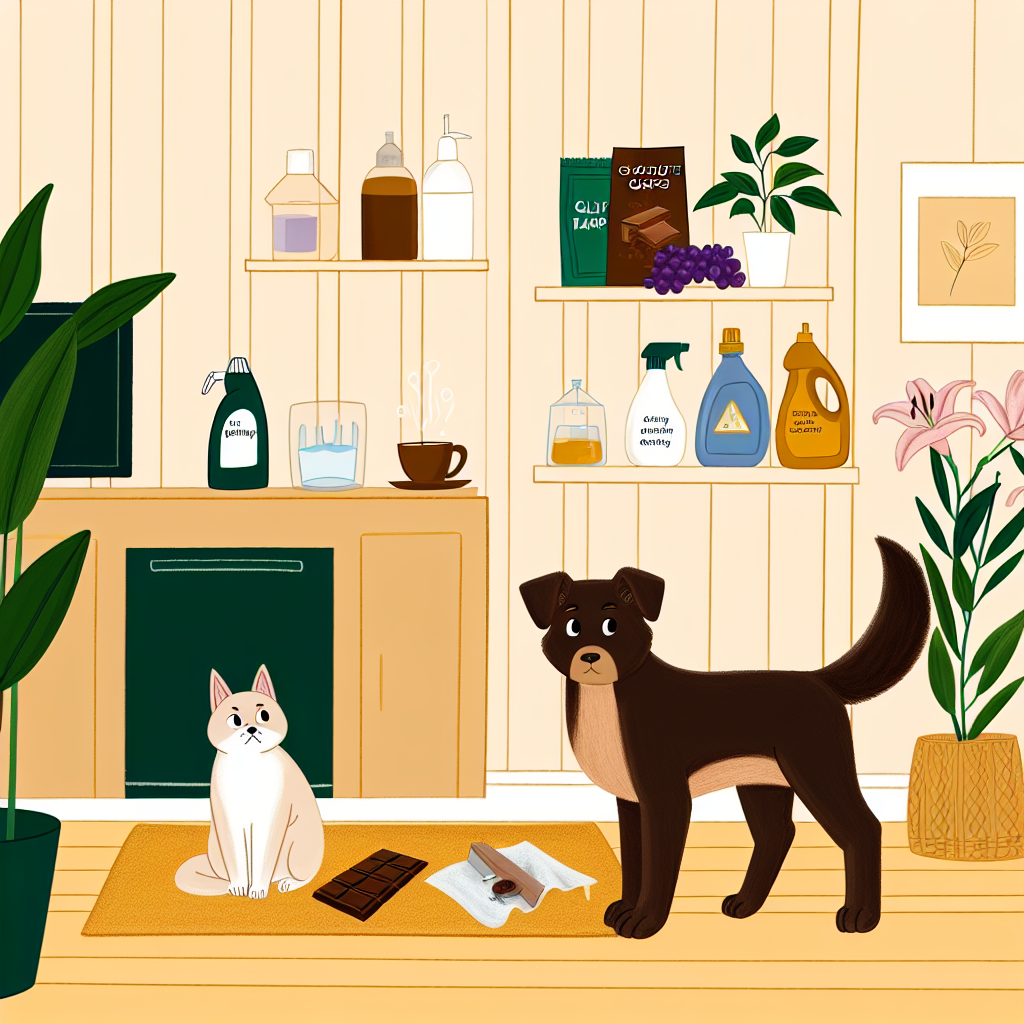
Protect Pets: Identify Toxic Household Items for Dogs and Cats
Our furry companions bring joy and vibrancy to our homes, but ensuring their safety requires vigilance, especially when it comes to substances that could harm them. Identifying toxic household items for dogs and cats is a crucial step toward protecting pets. In this blog post, we will explore various items commonly found in homes that are potentially dangerous to your beloved pets, and offer tips on how to keep them safe.
Common Household Items That Are Toxic to Pets
There are numerous everyday items around our homes that we might not realize are hazardous to our pets. By identifying these products, you can prevent accidental ingestion or exposure.
Cleaning Products
- Bleach: This popular cleaning agent, though effective in sanitizing, can be lethal if ingested by pets. The chemicals in bleach can cause vomiting, seizures, and even death.
- Ammonia: Found in many cleaning products, ammonia can irritate the respiratory system of pets and lead to both short-term discomfort and long-term health issues.
- Phenol-based disinfectants: These are widely used for killing germs but can cause liver damage to pets like cats or dogs if absorbed through the skin or ingested.
Plants and Flowers
Certain plants and flowers, despite their beauty, pose severe risks to pets:
- Lilies: Extremely toxic to cats, ingestion of lilies can lead to kidney failure and can be fatal.
- Aloe vera: Popular for its healing properties, aloe vera is harmful to both dogs and cats, causing nausea and vomiting.
- Poinsettias: These festive plants can cause irritation to pets’ mouths and stomachs if ingested, leading to vomiting.
Foods
While sharing a snack with your pet might seem harmless, some foods can cause severe reactions.
- Chocolate: This well-known toxic food can cause a range of symptoms from vomiting to cardiac arrest.
- Grapes and raisins: Dangerous to dogs, consumption can lead to kidney failure.
- Onions and garlic: These common ingredients can cause anemia in both dogs and cats.
Steps to Safeguard Your Home
Knowing the risks is only half the battle. Implementing preventative measures will significantly reduce the danger of these toxic substances.
Proper Storage
Store all cleaning products, chemicals, and potential poisons out of reach of your pets. Consider using secure cabinets or high shelves. Furthermore, make sure all lids and caps are tightly sealed to prevent any spills or leaks.
Create a Safe Environment
Avoid bringing toxic plants into your home or make sure they are placed in areas inaccessible to pets. For food safety, educate all household members about what’s safe to feed your pets and what should be avoided. Create a safe pet-friendly pantry, including various healthy treats and optimal pet diets.
Recognize the Signs of Poisoning
It’s crucial to know how to identify pet poisoning symptoms such as drooling, vomiting, lethargy, abdominal pain, or convulsions. Prompt recognition can save your pet’s life, allowing for quicker treatment.
Emergency Measures and Treatment
If you suspect your pet has ingested something toxic, acting swiftly is critical. Firstly, contact your veterinarian to describe your pet’s symptoms and the substance they have been exposed to. It’s important to provide as much detail as possible to aid diagnosis.
Contacting Animal Poison Control
Having the Animal Poison Control Center’s number on-hand can be invaluable. They can provide expert advice on urgent measures while you arrange veterinary care. In the United States, the ASPCA has a dedicated line for pet poison emergencies: 888-426-4435.
Concluding Thoughts
Protecting pets involves creating an environment free from household dangers. By identifying toxic household items for dogs and cats and taking preventive steps, you can enjoy peace of mind knowing your furry friends are safe. Ultimately, vigilance and knowledge are the best defenses against the risks these common items pose. Keep learning and stay attentive to ensure your pets lead healthy, happy lives.
Owning a pet is a joyful responsibility, but it is important to remember that with that responsibility comes the duty of safeguarding their health. Remaining informed, keeping potential hazards out of reach, and being prepared for emergencies are essential components of being a conscientious pet owner.