
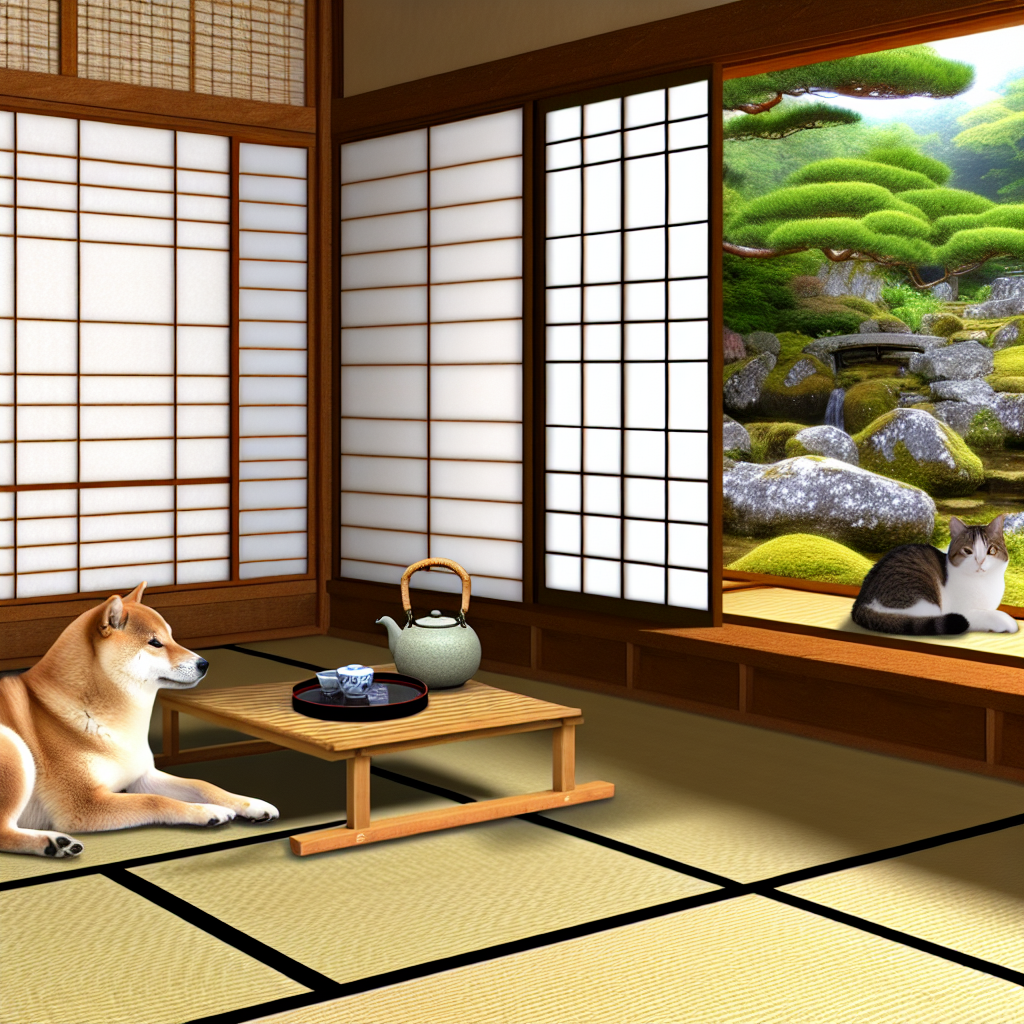
Understanding Dog and Cat Cohabitation in Japanese Homes
In the intricate tapestry of Japanese culture, the relationship between humans and animals is a fascinating aspect that has garnered considerable attention. The beloved pets, dogs and cats, often stand at the center of this narrative. In Japan, the art of balancing the distinct needs and characteristics of dogs and cats in shared households has become an interesting point of focus. This article delves into the dynamics of dog and cat cohabitation in Japanese homes, unraveling how these pets blend into the family fabric, cultural attitudes, and the practicalities of maintaining harmony between these two species.
The Rise in Popularity of Pets in Japan
Japan has witnessed a significant rise in pet ownership over the last few decades, with dogs and cats being among the most popular choices. There are several reasons for this trend:
- Urbanization: As more people move to urban areas, traditional family structures and lifestyles have shifted. Pets often provide companionship for individuals or families living in smaller spaces.
- Aging Population: Japan has an increasingly aging population. Pets offer companionship and emotional support to older adults who might otherwise feel lonely.
- Pet-Friendly Policies: Many Japanese cities have adopted pet-friendly policies and infrastructure, making pet ownership more accessible and appealing.
This surge in pet ownership has necessitated understanding the unique needs of these animals, particularly when they share the same living space.
The Unique Dynamic of Dog and Cat Cohabitation
Dogs and cats, while both domesticated, exhibit significantly different behaviors and characteristics. Dogs are generally social creatures, eager to please their human companions. Cats, on the other hand, tend to be more independent and territorial. This dynamic makes their cohabitation both intriguing and challenging.
Cultural Attitudes Towards Dogs and Cats
In Japan, there is a nuanced cultural appreciation for both dogs and cats. Traditionally, dogs have been celebrated for their loyalty and protection skills. Historically, they have been companions to samurai and part of traditional hunting practices. In contrast, cats are often celebrated in Japanese folklore and are associated with good fortune, as seen in the famous “maneki-neko” or beckoning cat.
Although these cultural perceptions still hold sway, modern Japanese society primarily sees pets as companions. This shift has encouraged pet owners to find ways to ensure their dogs and cats live together harmoniously.
Strategies for Successful Cohabitation
Most successful cohabitations between dogs and cats in Japanese homes rely on understanding and adjusting to the unique needs of each species. Here are some strategies adopted by Japanese pet owners to foster peaceful cohabitation:
- Gradual Introduction: Introducing a new pet to the household should be gradual, allowing time for both pets to acclimate to each other’s presence.
- Individual Spaces: Providing each pet with its own territory or space helps reduce territorial disputes and allows them personal refuge whenever they need it.
- Positive Reinforcement: Encouraging good behavior through treats, affection, and verbal affirmation helps both animals associate each other with positive experiences.
- Time Management: Ensuring both pets receive adequate attention prevents jealousy and promotes balance.
These strategies, coupled with a general awareness of each pet’s needs, can significantly ease the process of introducing and maintaining a dog and cat together in a home.
Practical Considerations in Japanese Homes
Living in Japan often means adapting to smaller living spaces, particularly in urban areas. This poses unique challenges for pet owners wishing to keep both dogs and cats. Nevertheless, with thoughtful planning and innovation, it is possible to create a harmonious environment for pets.
Maximizing Space Efficiency
Japanese homes, especially in cities, often require creative solutions to manage space efficiently:
- Vertical Spaces: Installing shelves or cat trees allows cats to explore vertically, thus reducing floor clutter and giving them a domain of their own.
- Pet Furniture Integration: Using furniture that doubles as pet spaces—such as beds with built-in pet hideaways—helps maximize space without sacrificing comfort.
- Multi-functional Areas: Design areas that can easily transform from play zones to feeding stations or sleeping quarters based on current needs.
By utilizing such strategies, pet owners can ensure that both dogs and cats have ample space to thrive even within the confines of smaller apartments.
Conclusion: Embracing a Harmonious Living
The art of dog and cat cohabitation in Japanese homes is a testament to adaptability, understanding, and the cultural embrace of pets as family members. As more Japanese households open their doors to these cherished companions, they continue to develop insightful strategies that respect the individuality of each pet.
Moreover, this harmonious living enriches both the lives of pets and the families that welcome them, ultimately leading to enhanced well-being and mutual joy.
By continually learning and adapting to the nuances of dog and cat interactions, pet owners in Japan set an admirable example for others looking to blend different animal personalities within their homes. As such, it is no surprise that Japan continues to lead the way in precise and thoughtful approaches to pet ownership.