
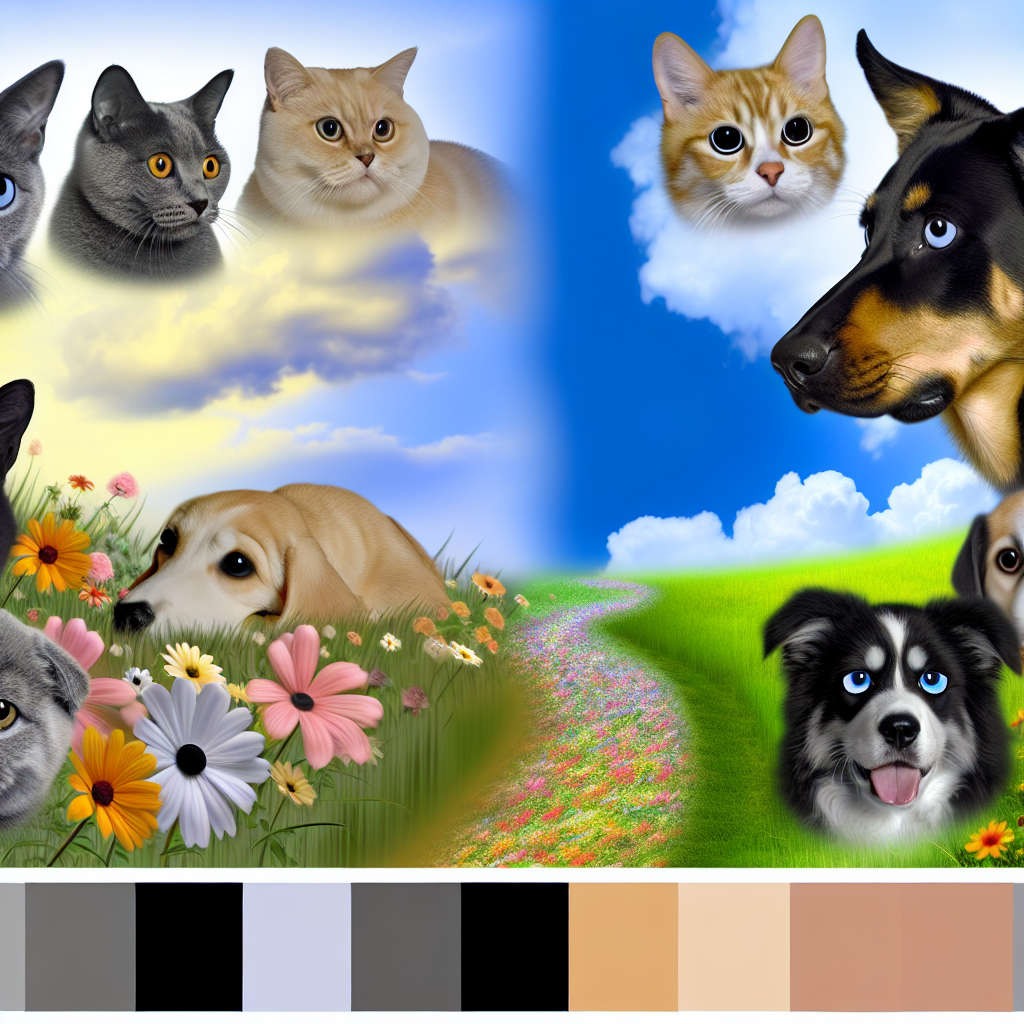
Cuteness Breeding: How Dogs and Cats Are Becoming Alike
In the ever-evolving world of pet breeding, a fascinating phenomenon is capturing the attention of animal lovers everywhere: the rise of “cuteness breeding” is making dogs and cats more alike than ever before. With a growing demand for companion animals that combine the most endearing traits of both species, breeders are focusing on creating pets that embody unparalleled levels of cuteness. From fluffy ears to expressive eyes and sociable personalities, the line between our favorite felines and canines is increasingly blurred. But, how did we get here? And more importantly, what does this mean for the future of our furry companions? Let’s dive into the world of cuteness breeding.
The Evolution of Cuteness Breeding
For centuries, humans have selectively bred animals for specific traits. Traditionally, dogs were bred for tasks such as hunting, guarding, or herding, while cats excelled at pest control. However, as these roles diminished due to technological advancements, the focus shifted to breeding animals as companions. Consequently, aesthetics and temperament became key priorities, giving rise to the concept of cuteness breeding.
Now, breeders meticulously select mates to exaggerate features that are typically associated with cuteness. These include:
- Big, round eyes: Large eyes are often linked to youthfulness and vulnerability, traits that evoke nurturing instincts in humans.
- Small noses and mouths: These facial features resemble those of human infants, further enhancing the appeal.
- Fluffy coats: Soft, plush fur creates a cuddly appearance, encouraging touch and bonding.
- Stubby limbs: Short legs can make movements appear playful and entertaining.
From Appearance to Personality
Aside from physical traits, breeders aim to enhance behavioral qualities that endear pets to their human families. Both dogs and cats are being bred to be more sociable, trusting, and affectionate. In essence, pet breeders are embarking on a mission to create the ultimate companion animal, seamlessly blending feline and canine characteristics.
Why Is Cuteness So Important?
Cuteness has a profound impact on human psychology. The attraction to cute animals triggers the release of dopamine and oxytocin in our brains, chemicals associated with pleasure and bonding. This emotional response has led to increased demand for animals that can provide not only companionship but also emotional support. Therefore, cuteness breeding is not just a trend; it is a reflection of our evolving needs and lifestyle choices.
Driving Forces Behind Cuteness Breeding
Several factors contribute to the popularity of cuteness breeding:
- Changing demographics: With more people living in urban settings and smaller households, there is a higher demand for pets that can thrive indoors and offer emotional companionship.
- Social media influence: The proliferation of pet accounts on platforms like Instagram and TikTok emphasizes visually appealing and amusing content, further fueling the desire for adorable pets.
- Health and well-being: The benefits of pet ownership on mental health are well-documented, leading people to seek animals that provide comfort and joy in their daily lives.
The Resemblance Between Cats and Dogs
As a result of cuteness breeding, certain breeds of cats and dogs are becoming strikingly similar. Take, for example, the Scottish Fold cat, known for its round face and small ears, and compare it to the French Bulldog, which shares similar features. Despite being different species, they exhibit parallel aesthetics and behaviors, leading to a gradual convergence between lovable puppies and kittens.
Furthermore, some hybrid breeds are intentionally crossing the line between species. Pioneering breeders are experimenting with blending attributes of cats and dogs to develop new breeds that encapsulate the best of both worlds.
Challenges and Considerations
While the pursuit of cuteness is enticing, it is essential to address potential challenges. Selective breeding for aesthetic traits can inadvertently lead to genetic health issues. Brachycephalic breeds, such as Pugs and Persian cats, often face respiratory and dental problems due to their flat-faced features.
Moreover, narrowing the gene pool for specific traits can increase susceptibility to inherited diseases. Hence, responsible breeding practices must prioritize the health and well-being of animals alongside their appearance.
The Future of Cuteness Breeding
As the demand for cute and cuddly pets continues to grow, the future of pet breeding holds exciting prospects and opportunities. Innovations in genetic science and a deeper understanding of animal welfare will shape responsible breeding practices, balancing aesthetics with health needs.
Ultimately, the goal of cuteness breeding is to enhance the human-animal bond, creating companions that not only look adorable but also enrich our lives in meaningful ways. Whether you are a dog lover, a cat enthusiast, or a devotee of both, the evolution of cuteness breeding promises an adorable future filled with wagging tails and purring companions.
Conclusion
Cuteness breeding is revolutionizing the way we perceive and interact with our furry friends. With a focus on blending the most endearing traits of dogs and cats, breeders are crafting animals that are both visually appealing and emotionally supportive. As this trend continues to thrive, our beloved pets will become more adorable, embodying the best of both canines and felines. So, the next time you cuddle your perfectly cute companion, take a moment to appreciate the extraordinary journey of evolution and careful selection that brought them to you.