
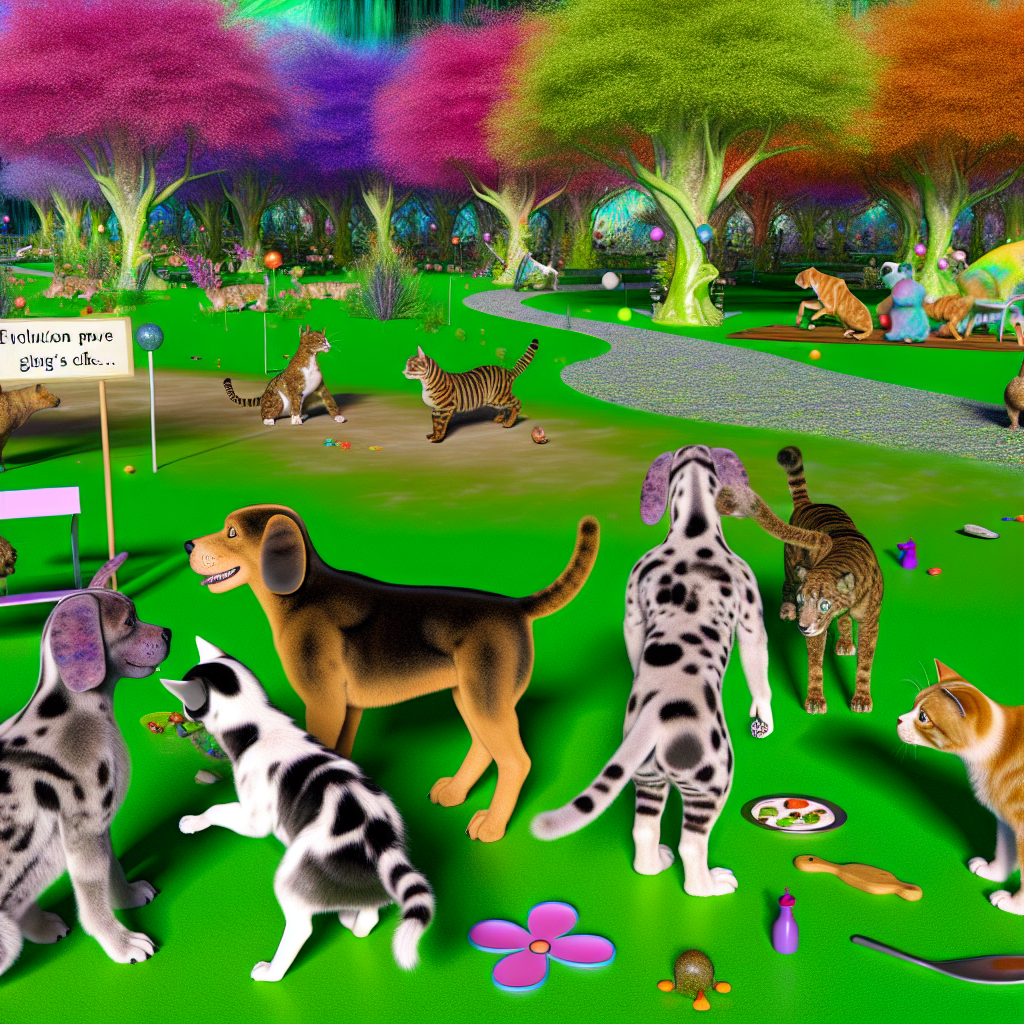
Dogs and Cats Are Evolving to Look More Alike
Throughout the ages, dogs and cats have been known as some of the most beloved companions for humans. Traditionally, these two species have always been distinct, not just in their behaviors but also in their physical features. However, it’s becoming evident that dogs and cats are evolving to look more alike. This fascinating trend is capturing the attention of pet lovers and scientists alike, urging us to delve more deeply into this unexpected phenomenon.
Root Causes of Similarities in Appearance
The evolving similarities between dogs and cats can be attributed to several factors. Understanding these causes helps demystify this intriguing evolutionary trend.
- Selective Breeding: Over the years, humans have selectively bred dogs and cats for various desirable traits. As these breeding practices continue to evolve, some physical characteristics have started to overlap.
- Domestication: Both dogs and cats have adapted to living closely with humans, leading to shifts in their physical and behavioral traits. This adaptation often involves changes in size, coat color, and facial features.
- Convergent Evolution: This biological process occurs when unrelated species develop similar traits due to comparable environmental pressures. For instance, breeds like the Chinese Crested Dog and certain sphynx cats exhibit similar hairless features, showcasing convergent evolution.
Notable Examples in Breeds
Let’s take a closer look at some breeds that exemplify this developing trend. Such insights not only highlight the similarities but also enhance our understanding of the factors driving this change.
Hairless Breeds
Among hairless breeds, the Chinese Crested Dog and the Sphynx Cat stand out. Both breeds lack a typical fur coat, making their skin the primary visual focus and offering a striking resemblance between these species.
Compact and Round Features
Certain lap dog breeds, like the French Bulldog and the Pug, feature round faces and snubbed noses reminiscent of Exotic Shorthair Cats. This similarity is often enhanced by their compact bodies and playful expressions.
Toy Breeds
Similarly, toy dog breeds, such as the Pomeranian, exhibit features – particularly their size and demeanor – that could easily be comparable to those of domestic shorthair cats.
Implications of This Evolutionary Trend
The evolving appearance of dogs and cats raises multiple questions about the future of these beloved animals. Not only are there implications for the animals themselves, but also for their human companions.
- Identity and Breeding: As dogs and cats evolve to look more alike, it could potentially influence how future generations perceive and breed these animals. The line between certain breeds might become increasingly blurred.
- Health Concerns: Selectively breeding for aesthetic similarities can sometimes overlook functional health concerns. This aspect requires ongoing attention from breeders to ensure the continued well-being of the animals.
- Human-Animal Bond: The changes in appearance might influence human preferences for pets, altering the dynamics of the human-animal bond. People who previously favored one species might find themselves drawn to the other due to familiar traits.
The Role of Human Influence
The human role in this evolutionary process is undeniable. As caretakers and breeders, our decisions significantly shape the appearance and traits of our pets. Our aesthetic preferences, societal trends, and evolving lifestyles continuously guide the course of this process.
Moreover, globalization and the sharing of information have expanded our access to various breeds, influencing our desires and choices in pet ownership. The extensive flow of data also means increased understanding of breed characteristics and genetics, allowing for more informed breeding practices.
A Call for Responsible Pet Ownership
As we engage with and appreciate these evolving creatures, it is crucial to emphasize responsible pet ownership. The following strategies can help align our actions with the well-being of these evolving breeds:
- Ethical Breeding: Breeding practices should prioritize the health of the animals over mere aesthetic appeal. This involves rigorous health screenings and awareness of genetic disorders related to specific traits.
- Education and Awareness: Pet owners should educate themselves about different breeds, understanding the specific needs and potential health issues that each might present.
- Advocacy for Rescue and Adoption: Encouraging the adoption of mixed-breed or rescue pets can alleviate the pressure and risks associated with selective breeding for specific traits.
Looking Toward the Future
The trend of dogs and cats evolving to look more alike prompts us to reconsider our relationships with these animals. While their increasing resemblance might initially seem superficial, it stands as a testament to the enduring and dynamic bond between humans and their furry companions.
As we continue to navigate this evolution, staying informed and fostering a respectful partnership with our pets ensures not only their future but also the enrichment of our shared lives. This ongoing transformation holds the promise of a deeper understanding of both our pets and the harmonious coexistence we share.
In conclusion, whether you’re a dog lover charmed by cats or a feline enthusiast considering canines, the blurring boundaries between these two species undeniably enrich the tapestry of human-animal interactions.