
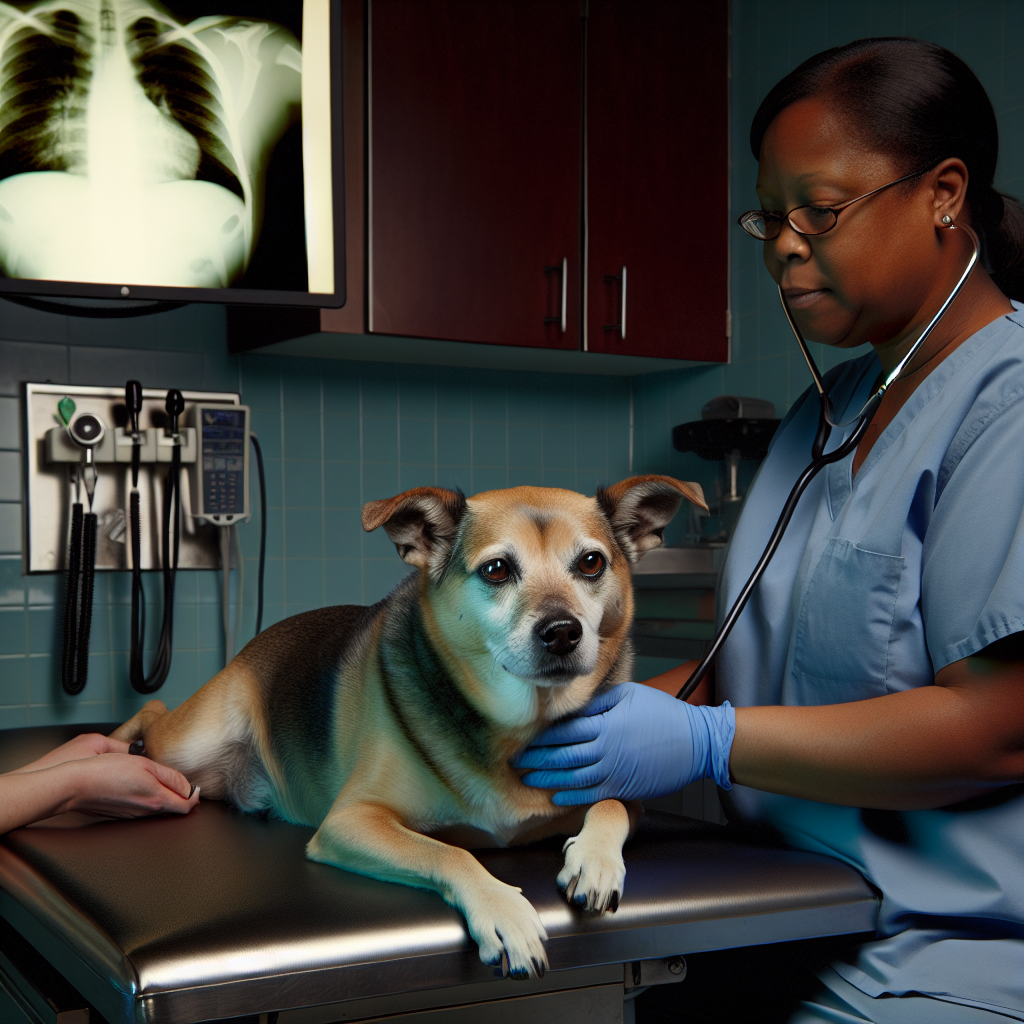
Dog Undergoes Critical Surgery to Improve Breathing Efficiency
Dogs are often considered man’s best friend, providing companionship and love unconditionally. However, just like humans, they can encounter health challenges that require medical intervention. Recently, an incredible story unfolded as a dog underwent a significant procedure to enhance its breathing efficiency. In this blog post, we delve into the details of this extraordinary canine’s journey, the medical procedure involved, and the importance of addressing pet health issues promptly.
The Canine Patient: A Brief Introduction
Meet Bella, a lively three-year-old French Bulldog known for her playful demeanor and loving nature. Despite her contagious energy, Bella faced a considerable challenge due to her breed’s predisposition to brachycephalic obstructive airway syndrome (BOAS). This common condition in brachycephalic breeds, such as French Bulldogs, Pugs, and Boston Terriers, affects their breathing efficiency. As a result, it often requires medical intervention to improve their quality of life.
Understanding BOAS: An In-Depth Look
BOAS is a term used to describe a set of anatomical defects commonly seen in flat-faced dog breeds. These defects can lead to partial or complete obstruction of the upper airway. Some of the primary conditions contributing to BOAS include:
- Stenotic Nares: Narrow nostrils that restrict airflow.
- Elongated Soft Palate: The extended tissue at the back of the throat obstructs the airway.
- Everted Laryngeal Saccules: Tissue within the larynx that can block airflow when inflamed or inverted.
- Hypoplastic Trachea: A smaller-than-normal windpipe that complicates breathing.
Each of these conditions can significantly impact a dog’s ability to breathe, leading to problems such as increased respiratory effort, snoring, exercise intolerance, and even heat stress. Recognizing the signs early is vital for pet owners to seek prompt veterinary care. Thankfully, Bella’s owners were proactive.
Recognizing the Signs of BOAS
While every dog is unique, there are common symptoms indicative of BOAS that pet owners should watch for:
- Loud breathing or snoring, even when at rest.
- Gagging or choking, particularly after exercise or eating.
- Exercise intolerance, with the dog tiring more quickly than others.
- Excessive panting or difficulty breathing during warm weather.
For Bella, these symptoms were becoming increasingly noticeable, prompting a visit to their trusted veterinarian.
The Path to Surgery: A Critical Decision
Upon examination, Bella’s veterinarian deemed the BOAS symptoms significant, recommending surgical intervention to alleviate her breathing difficulties. While the idea of surgery can be daunting for pet owners, it is sometimes the best course of action for enhancing a beloved pet’s quality of life.
The Surgical Procedure
The surgery involved several key steps designed to address Bella’s specific anatomical challenges:
- Stenotic Nares Correction: The surgeon widened Bella’s nostrils to improve airflow.
- Soft Palate Resection: This procedure involved shortening the elongated soft palate, allowing for less obstruction in the throat.
- Laryngeal Saccule Removal: Any tissue impacting her airway was carefully removed.
While surgeries like these can be intricate due to the potential complications associated with anesthesia in brachycephalic breeds, the expertise of the surgical team ensured Bella’s surgery was a success.
The Road to Recovery
Post-surgery, the recovery phase was crucial for Bella. Her owners diligently followed the veterinarian’s recovery plan, which included:
- Providing a calm and quiet environment to minimize stress.
- Monitoring her breathing and overall behavior closely.
- Ensuring she adhered to a soft food diet, easing throat discomfort.
- Limiting physical activity to prevent overexertion.
The road to recovery can be a delicate journey, yet Bella showcased remarkable resilience. Her owners reported notable improvements in her breathing, energy levels, and overall demeanor.
Why Pet Health Vigilance is Essential
Bella’s story underscores the significance of vigilance and proactive health management for our furry friends. Regular veterinary check-ups are pivotal in identifying potential health issues early, many of which can be managed or cured with timely intervention. As a pet owner, being attuned to changes in your pet’s behavior or health is crucial. It not only ensures their well-being but also strengthens the bond between you and your pet.
The Benefits of Prompt Veterinary Intervention:
- Prevents complications through early diagnosis and treatment.
- Improves quality of life significantly.
- Reduces long-term healthcare costs by avoiding severe conditions.
A Brighter Future for Bella
Thanks to timely medical intervention and the dedication of her caring owners, Bella’s future looks bright. She can now enjoy her days engaging in playful escapades with her canine friends, without the hindrance of breathing difficulties. Her journey is a testament to the loving bond between pets and their owners, who go above and beyond to ensure their beloved companions lead healthy, happy lives.
Bella’s experience highlights a critical issue in the world of pet health: the importance of addressing brachycephalic obstructive airway syndrome and similar conditions head-on. For pet owners everywhere, it serves as a reminder to stay vigilant, embrace regular veterinary care, and never underestimate the transformative power of medical intervention.