
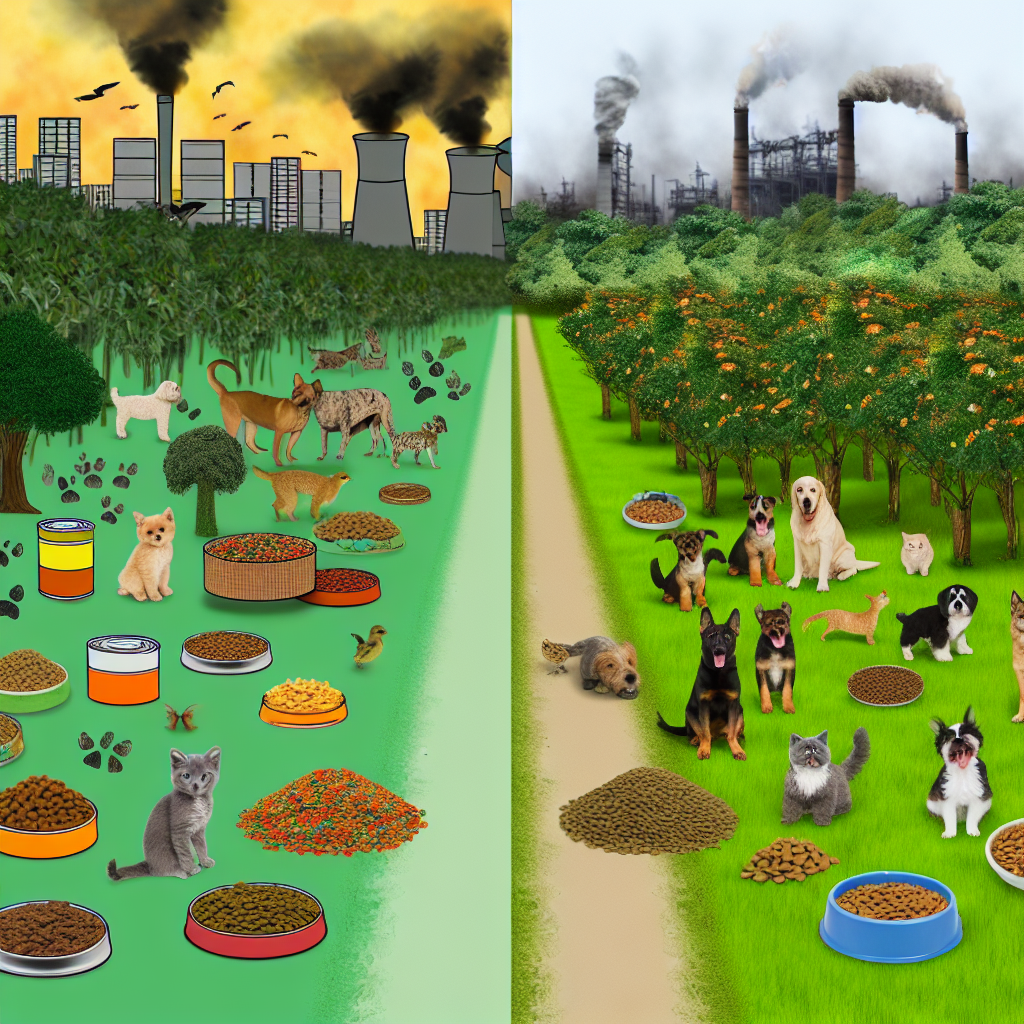
The Hidden Environmental Costs of Pet Food You Should Know
For many households, pets are more than just animals; they are cherished family members. Consequently, the demand for quality pet food has surged. However, few pet owners are aware of the hidden environmental costs of pet food. While providing nourishment for our furry friends, the pet food industry contributes significantly to environmental degradation.
Understanding the Environmental Impact
One might assume that the impact of pet food production on the environment is minimal compared to other industries. Yet, the reality is starkly different. Pet food production involves extensive use of resources such as land, water, and energy. Moreover, it leads to greenhouse gas emissions, pollution, and biodiversity loss. Understanding these consequences is crucial for conscientious pet ownership.
The Land and Water Usage
Firstly, producing pet food requires considerable amounts of land and water. Agriculture, which is central to producing pet food ingredients, is a major consumer of these resources. According to some estimates, pet food production is responsible for a significant percentage of the total agricultural output.
- Grain production and livestock farming for pet food consume substantial land areas.
- Water-intensive crops like rice, used in many pet food recipes, add to water scarcity issues globally.
Energy Consumption and Greenhouse Gas Emissions
Another critical aspect is the energy consumption involved in producing pet food. The manufacturing process is energy-intensive, from sourcing ingredients to packaging and transportation. This inevitably leads to increased greenhouse gas emissions, thereby contributing to climate change. It is essential to recognize that:
- The energy required for meat production, which is a staple in pet foods, is a major source of emissions.
- The industrial processing and packaging of pet food further exacerbate this footprint.
Waste and Pollution
Moreover, the pet food industry significantly contributes to waste and pollution. This happens through several avenues, such as:
- Excess packaging, often made of non-recyclable materials, leads to landfill buildup.
- The use of pesticides and fertilizers in farming practices, harmful to soil and waterways.
Implementing more sustainable practices can help mitigate these effects. However, substantial changes in production processes are required to make a meaningful impact.
Biodiversity and Ethical Considerations
The demand for specific animal products in pet food also places strain on wildlife habitats and biodiversity. Sourcing these ingredients often leads to deforestation and habitat destruction. Moreover:
- Overfishing for certain fish-based pet foods disrupts marine ecosystems.
- The monoculture of crops diminishes agricultural biodiversity, impacting local ecosystems.
Pet food production not only strains natural resources but also raises ethical questions about the treatment of animals within the supply chain.
Making Environmentally Friendly Choices
As pet owners, we can make informed decisions to reduce the impact of our pet’s diet on the planet. Here are some strategies:
- Opt for brands committed to sustainable sourcing and eco-friendly practices.
- Consider feeding pets locally sourced, minimally processed foods.
- Reduce waste by selecting pet foods with recyclable or compostable packaging.
Alternative Diets and Innovations
Exploring alternative diets for pets, such as plant-based or insect-based options, is an innovative way to lessen environmental impact. Such diets often require fewer resources to produce and generate a smaller carbon footprint. Furthermore, technological advances in cellular agriculture might soon provide lab-grown meat options that satisfy pets’ nutritional needs while being more sustainable.
Conclusion
The environmental costs of pet food are more profound than they appear at first glance. While providing for our pets, it is vital to consider the ecological footprint of their food. By being more aware and choosing responsibly, pet owners can help reduce the hidden environmental costs of pet food. Ultimately, sustainable pet ownership benefits not only our beloved animals but also the planet.