
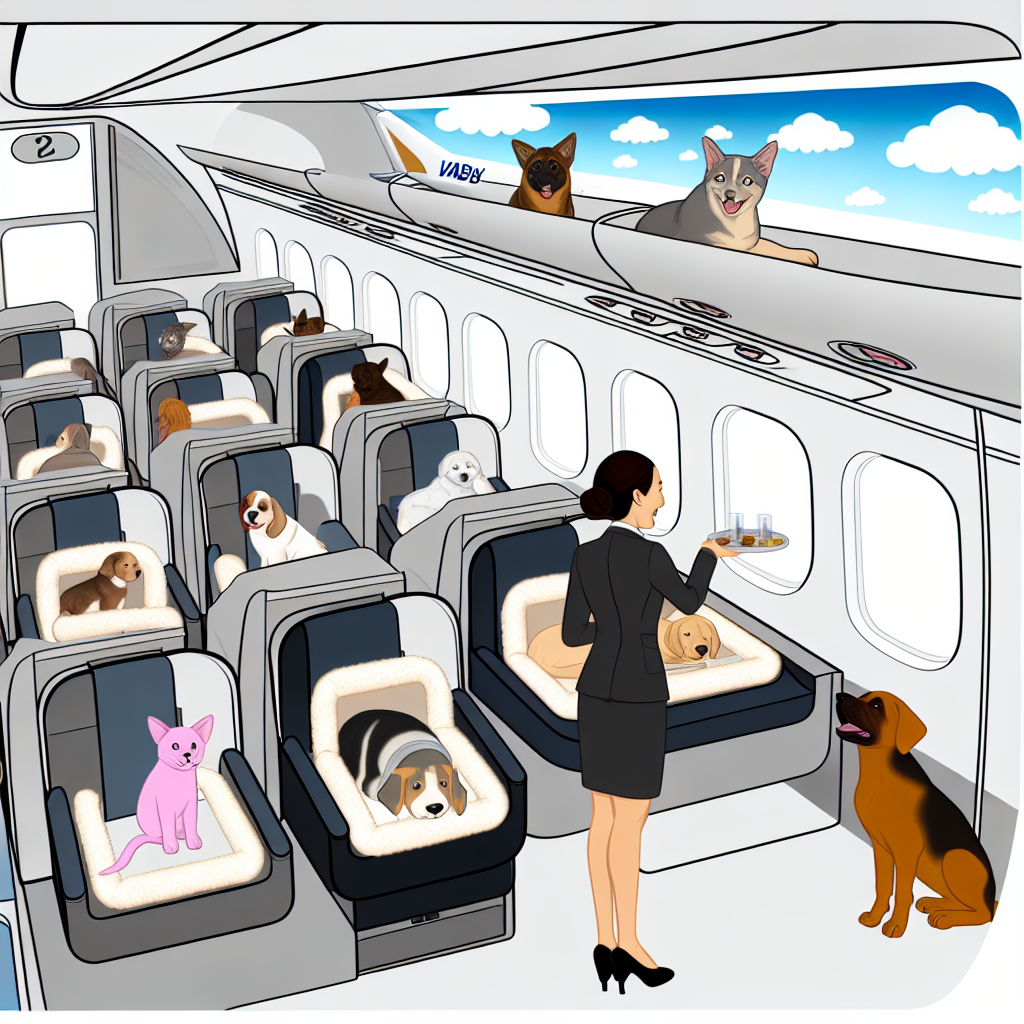
Pet Travel Safety Airplane Guidelines for Dogs and Cats
Traveling with your beloved pets can be a rewarding experience, yet it comes with a fair share of challenges, especially when flying. Ensuring your furry friends’ safety and comfort should be a priority as they accompany you on your journeys. Below are some essential pet travel safety airplane guidelines for dogs and cats to help make the journey smoother for both you and your pet.
Preparation Before the Flight
Proper preparation can help alleviate stress and ensure a pleasant travel experience for your pet. Here are several steps to consider:
- Consult with Your Veterinarian: Before the trip, schedule a visit to the vet to confirm your pet is healthy for travel. They can provide necessary health certificates required by airlines and advise on whether air travel is suitable for your pet.
- Research Airline Policies: Different airlines have varying requirements for pet travel, including carrier dimensions and cost. Make sure to review these guidelines well in advance.
- Invest in a Sturdy Carrier: Purchase an airline-approved carrier that offers both security and comfort. The carrier should be well-ventilated and provide enough space for your pet to stand, turn around, and lie down comfortably.
Training Your Pet for Air Travel
Training is key to ensuring your pet is comfortable during the flight. The more accustomed your pet is to the confines of the carrier, the less anxious they will feel when it’s go-time.
- Familiarize Them with the Carrier: Gradually introduce your pet to their carrier at home. Offer treats and toys to create a positive association.
- Simulate Travel Conditions: Practice short trips in their carrier and include simulated airport sounds using online audio tracks.
- Build Up Time: Increase the duration of their time in the carrier incrementally to help them adapt to the confinements of travel.
Choosing the Right Time to Travel
Timing can significantly impact travel ease and comfort for your pet. Considering the time of day, weather conditions, and flight duration is crucial.
- Opt for Direct Flights: Direct flights reduce handling and stress. If possible, book flights during less busy periods.
- Consider Climate: Extreme weather conditions can affect your pet. During summer, select early morning or late evening flights. In winter, midday flights are preferable.
At the Airport
The hustle and bustle of airports can be overwhelming for pets. Here’s how to handle airport procedures smoothly:
- Arrive Early: Arriving early allows ample time for check-in and security processes, minimizing stress for both you and your pet.
- Pet Relief Areas: Utilize pet relief areas before checking in. Keeping your pet calm is easier if they’ve had a chance to relieve themselves.
- Security Screening: Follow TSA guidelines for transporting pets through security. Your pet will typically be screened separately from their carrier.
During the Flight
Keeping your pet comfortable during the flight is essential to ensuring their well-being.
- Stay Calm: Pets pick up on their owners’ emotions. Remaining relaxed can help keep your pet calm.
- Monitor Your Pet: Regularly check on your pet to ensure they are comfortable and secure without opening the carrier unnecessarily.
- Provide a Comfort Item: Consider placing a favorite blanket or toy in the carrier to offer comfort and familiarity.
Upon Arrival
The post-flight period is as important as any other part of the journey. Here’s what to keep in mind once you’ve landed:
- Check Your Pet: Examine your pet to ensure they have arrived safely and without any signs of stress or distress.
- Give Them Time to Adjust: Allow your pet to adjust to their new environment. Offer water and a small amount of food once they’ve settled down.
Additional Tips for a Smooth Journey
Every pet’s behavior and needs are unique, so employing a few extra strategies might be necessary for a seamless trip:
- Stay Hydrated: Keep your pet hydrated before the trip, ensuring they have had sufficient water but not too close to flight time.
- Avoid Sedatives: Many veterinarians advise against the use of sedatives as they can affect pets differently at high altitudes. Explore other calming methods, such as natural calming aids.
- Emergency Contacts: Have a list of local veterinarians at your destination in case your pet needs medical attention.
Conclusion
Traveling with pets, whether for a vacation or a move, requires careful planning and understanding of the unique needs of dogs and cats. By following these pet travel safety airplane guidelines, you can help ensure that both you and your pet enjoy a stress-free experience. Remember, preparation, appropriate training, and choosing the right flight conditions are fundamental in creating a positive travel experience for your furry companions. Adjust these guidelines as necessary to fit the specific requirements of your pet, and embark on your travel adventure with peace of mind.