
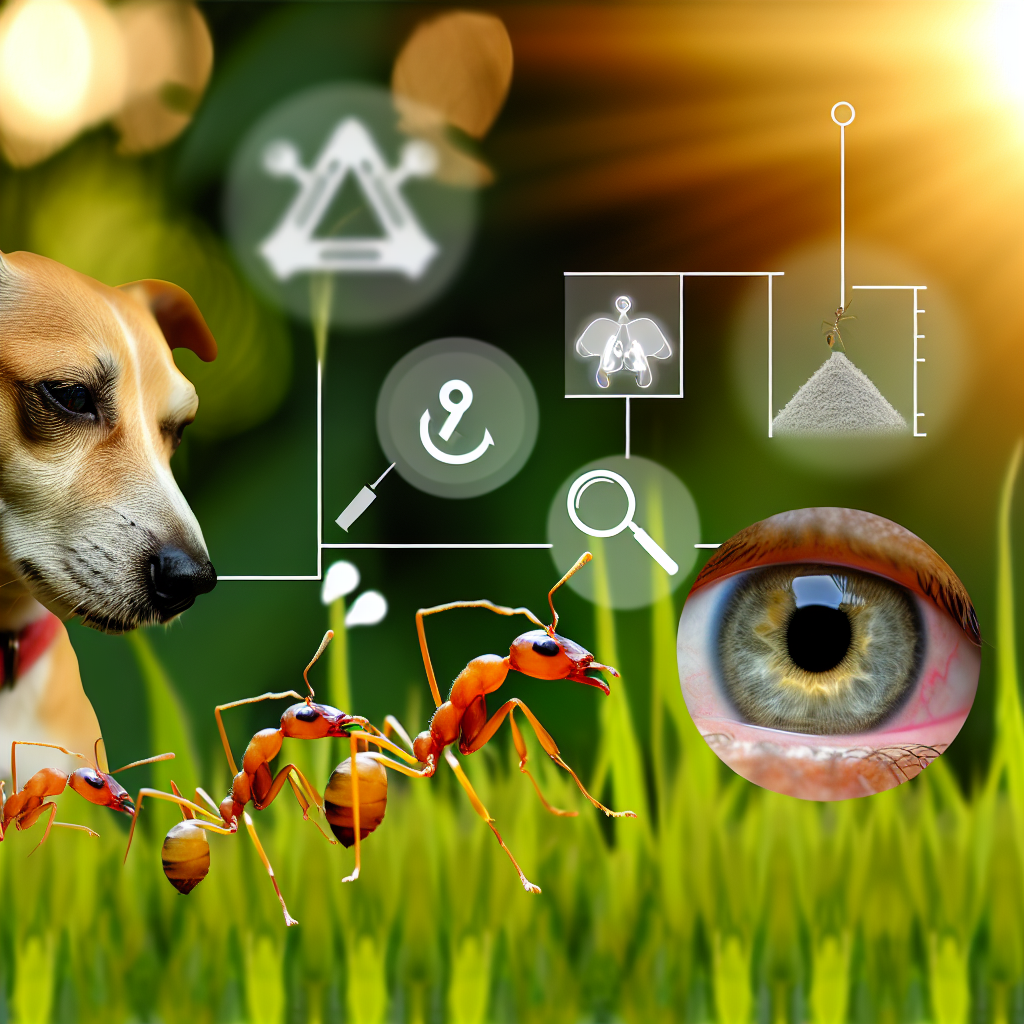
Fire Ants Linked to Eye Disease in Pets: Exploring the Study
When it comes to the health of our beloved pets, every pet owner wants to ensure they are safe, happy, and free from harm. However, a recent study has surfaced with intriguing insights into how fire ants, those tiny yet powerful insects, might contribute to eye diseases in pets. Let’s dive deep into this research and explore the implications it holds for pet owners.
Understanding the Nature of Fire Ants
Fire ants, scientifically known as Solenopsis invicta, are notorious for their painful stings and aggressive behavior. Originating from South America, they have since spread across various parts of the world, creating concerns due to their potential health risks to humans and animals. However, as recent findings suggest, their impact might be more profound than previously assumed.
The Connection Between Fire Ants and Eye Diseases
The research conducted has shed light on an unexpected link between fire ants and certain eye conditions observed in pets, particularly dogs and cats. According to the study, exposure to fire ant stings can lead to inflammation, irritation, and in some severe cases, significant eye diseases that may result in vision impairment. The toxins released by the ants during a sting can trigger adverse reactions in pets, leading to symptoms that require immediate attention.
Recognizing the Symptoms
It’s crucial for pet owners to be vigilant and recognize the early signs of potential eye-related issues stemming from fire ant stings. Not all pets will react the same way, but some common symptoms include:
- Redness and Irritation: Persistent redness in the eyes may indicate an inflammatory response.
- Excessive Tearing: Overproduction of tears can be a response to irritation.
- Swelling: Increased swelling around the eye area can be a symptom of an allergic reaction.
- Discomfort or Pawing: Pets may frequently paw at their eyes, indicating irritation or discomfort.
Observing these symptoms warrants a quick consultation with a veterinarian for a thorough examination and necessary treatment.
Preventative Measures for Pet Owners
Prevention is always better than cure. Here are several measures pet owners can adopt to safeguard their pets from fire ant threats:
Regular Yard Maintenance
Keep your yard well-maintained by regularly mowing the lawn and trimming bushes. Since fire ants often nest in lawns, this practice can help decrease their presence.
Use of Safe Pest Control
Opt for pet-friendly insecticides and pest control methods to manage fire ant populations without endangering your pet’s health. Always consult pest control experts to ensure safety.
Avoidance of Known Ant Areas
While exploring outdoors with your pet, steer clear of visible ant mounds and areas known for heavy ant activity. Vigilance can prevent unfortunate encounters.
Engaging with the Study’s Findings
This study not only enhances our understanding of fire ants’ potential risks but also stresses the importance of more comprehensive research on the effects of various insect stings on pets. While the findings are preliminary, they open doors to further investigation, which might reveal more about how to mitigate such risks effectively.
Steps to Take If Your Pet is Stung
In case your pet does get stung by fire ants, immediate action can substantially reduce complications. Here are steps you can take:
- Remove Ants Safely: Use gloves or a towel to remove ants from your pet’s body without causing additional stings.
- Apply Cold Compress: A cold, damp cloth can alleviate swelling and discomfort.
- Monitor for Symptoms: Keep a close eye on your pet for any symptomatic changes over the next few hours.
- Seek Veterinary Assistance: Immediate professional help is critical if symptoms appear severe or persist.
Closing Thoughts
Although pests like fire ants may seem like small irritants, the potential health risks they pose to our pets are vast. The insights from this recent study remind us of the importance of awareness and preventive measures. By staying informed and prepared, pet owners can create a safer environment for their furry companions.
For those interested in providing their pets a safe environment away from the dangers posed by such insects, keeping updated on the latest research is key. Stay tuned as further studies expand our understanding and strategies for protecting our pets from these tiny yet impactful creatures.
As always, if you suspect that your pet has been impacted by fire ant stings or any other related issues, reach out to your veterinarian promptly. Their expert guidance is invaluable in ensuring your pet’s health and well-being. Remember, a proactive approach can make a significant difference in safeguarding your pet’s cherished sight and overall safety.