
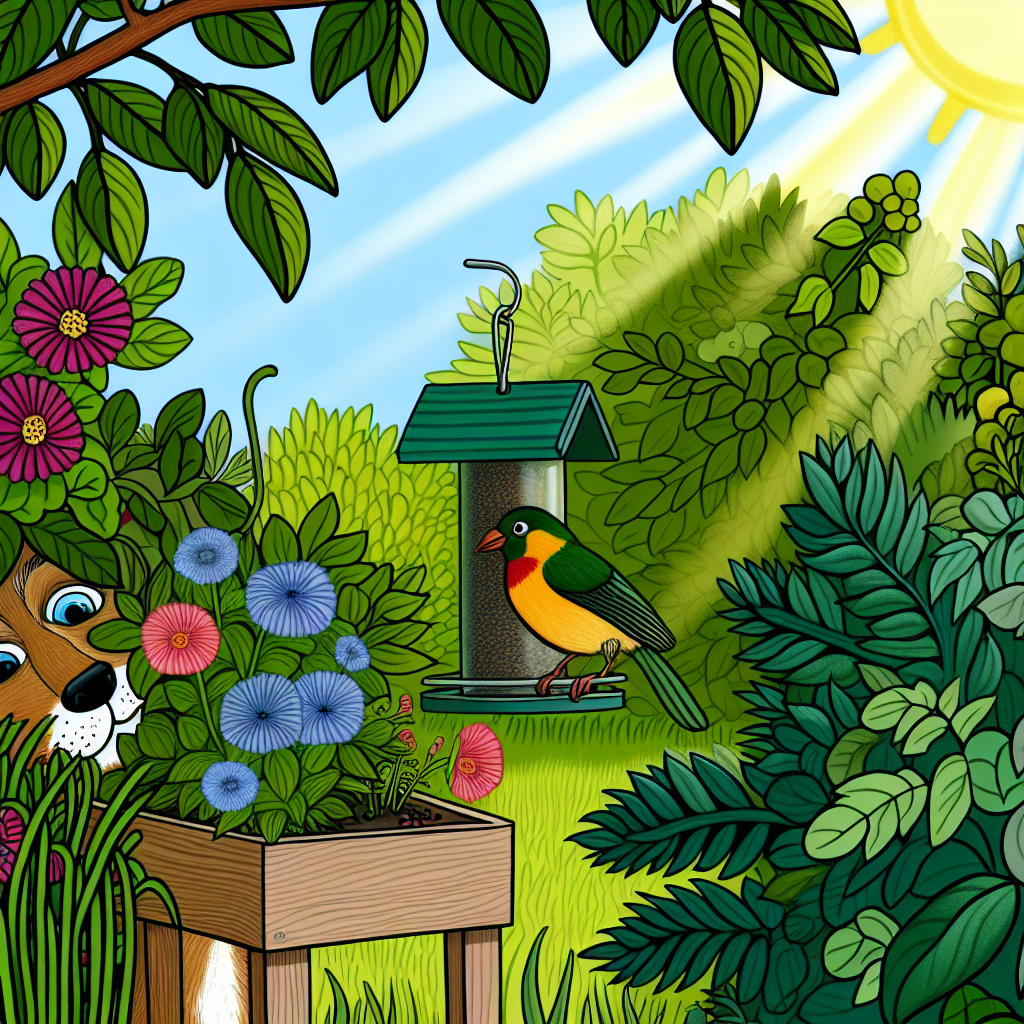
Protect Garden Birds from Pets: Tips for Dog and Cat Owners
Our gardens can be a slice of paradise, brimming with vibrant flowers, lush greenery, and the delightful chirping of birds. However, if you’re a pet owner, particularly of cats and dogs, ensuring this paradise remains safe for avian visitors can be a challenge. Fortunately, with careful planning and a few protective strategies, you can create a harmonious coexistence between your feathered friends and your furry companions.
Understanding the Importance of Protecting Garden Birds
Birds are an integral part of our natural ecosystem, and watching them can be a source of joy and relaxation. However, domestic pets, especially cats, pose a significant threat to these innocent creatures. According to various studies, cats are responsible for killing billions of birds annually. Consequently, safeguarding birds from cats—and occasionally, boisterous dogs—is essential for maintaining biodiversity and preserving the beauty they bring to our gardens.
Creating a Pet-Friendly yet Bird-Safe Environment
To balance the needs of your pets and garden birds, adopting some strategic measures is necessary. Here are a few tips to help you out:
1. Supervised Outdoor Time
Allowing your pets to spend time outdoors is beneficial for their well-being. However, supervision is key to ensuring that this doesn’t come at the expense of local wildlife. Always be vigilant when your pet is outside and limit their unsupervised time in the garden to minimize temptation.
2. Utilize Leashes or Enclosures
For dog owners, employing a leash during outdoor play can prevent any sudden lunges at unsuspecting birds. Similarly, consider using catios or enclosures for your cats. These structures allow your feline friends to enjoy the outdoors without posing a risk to the birds.
3. Bird Feeders and Baths: Location Matters
Bird feeders and bird baths are excellent for attracting birds, but their placement requires strategic thought. Situate these attractions in areas that are difficult for your pets to access. Ideally, they should be located at a height or surrounded by thorny plants that deter animal encroachment.
4. Create Safe Zones with Vegetation
Nurturing an area dense with shrubs, bushes, or tall grasses can provide an excellent refuge for birds. These vegetative safe zones serve as a natural barrier against predators, giving birds a place to hide if pursued by a curious cat or an adventurous dog.
5. Training and Behavioral Adjustments
Training your pets not to target birds can be effective, though it often requires time and patience. Positively reinforce behaviors where they ignore or peacefully co-exist with birds. Similarly, teaching commands such as “leave it” or “stay” can come in handy whenever wildlife catches their interest.
Additional Tips for Bird-Proofing Your Garden
Beyond simple strategies, incorporating specific designs and materials into your garden can further shield birds from pets:
- Netting and Fencing: Use bird-safe netting to cover certain areas, preventing pets access. Fencing can also delineate zones where only birds are welcome.
- Baffles on Feeders: Install baffles on bird feeders to prevent pets from reaching or tipping them over.
- Sonic Deterrents: Some pet owners find success with devices that emit sounds heard by pets but not birds, gently discouraging cats and dogs from approaching bird-friendly zones.
The Role of Dietary and Health Considerations
While protecting birds from pets physically is crucial, ensuring your pets are mentally and physically fulfilled can prevent them from seeing birds as prey. A well-fed, content pet is less likely to hunt. Keep their diet balanced, provide ample playtime indoors, and ensure regular vet visits to prevent health issues that can lead to behavior changes.
Why It Matters: The Bigger Picture
Safeguarding garden birds is not just about appreciating their beauty; it’s about fostering a healthy, functioning ecosystem. Birds play a significant role in pollination, pest control, and seed dispersion. By ensuring they thrive in urban and suburban environments, we help maintain nature’s delicate balance—providing a ripple effect of benefits that extends far beyond our backyard fence.
Conclusion
In conclusion, bridging the gap between the needs of our domesticated animals and those of garden wildlife is essential. Small protective gestures go a long way, and with a few adjustments, dogs, cats, and birds can share the same space peacefully. By following the tips outlined above, you contribute positively to local biodiversity while also enjoying the companionship of both your pets and the garden’s avian inhabitants.
Ultimately, protecting garden birds is a shared responsibility that underscores our broader duty to the environment. So, let us embrace these measures and cherish the melodies and colors that birds continually bring to our gardens.