
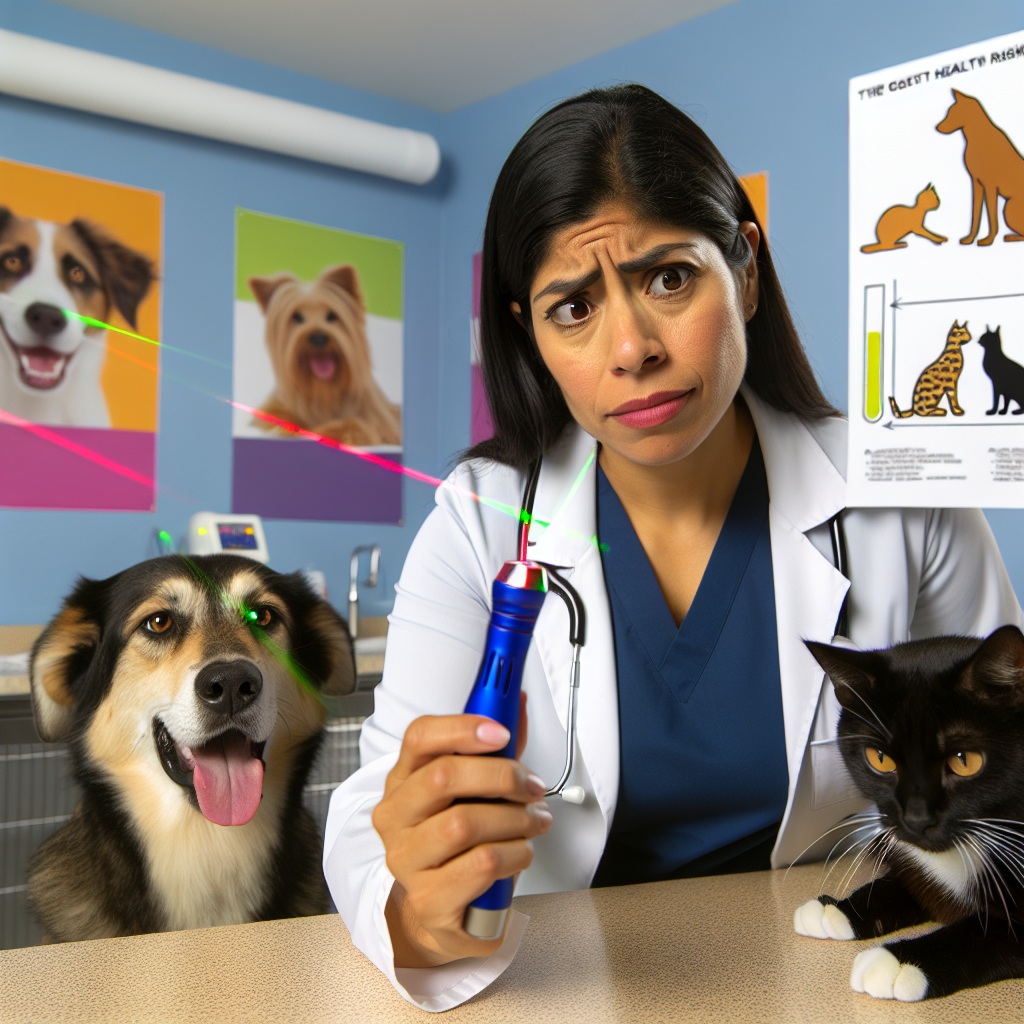
Laser Pen Dangers: Essential Health Warning for Pet Owners
As pet owners, we constantly seek fun and engaging ways to entertain our furry companions. One such popular tool is the laser pen, known for its ability to captivate our pets’ attention through endless games of chase. However, these seemingly harmless devices may pose serious threats that every pet owner should be aware of. In this article, we will delve into the hidden dangers of laser pens and offer guidance on safer alternatives.
Understanding the Allure of Laser Pens
Laser pens have become a staple in many pet households, primarily due to their interactive and engaging nature. Cats and dogs alike are naturally drawn to the moving light, which triggers their instinctual prey drive. The interaction is not only intense but also entertaining for both the pet and the owner. However, beneath this enjoyable surface lie risks that can significantly affect your pet’s wellbeing.
The Psychological Risks
While the physical aspects of laser pens are often discussed, it’s essential to also consider the psychological impacts on pets. The inability to physically ‘capture’ the light can lead to frustration and anxiety in pets. Over time, this unrealized prey drive can cause behavioral issues, including:
- Obsessive behaviors: Constantly seeking out the light or displaying fixations on light reflections.
- Increased anxiety levels: Heightened stress due to continuous unrewarded effort.
- Compulsive tendencies: Engaging in repetitive motions or behaviors because of unresolved stimulation.
Furthermore, the lack of physical reward can diminish the sense of accomplishment that is typically experienced with successful catching of prey, which is crucial for a healthy psychological balance in pets.
Physical Health Concerns
In addition to psychological concerns, laser pens can pose several physical threats to pets, most notably to their eyes. Laser lights are highly concentrated beams of light that can cause retinal damage if shone directly into the eyes. This can lead to temporary or, in severe cases, permanent blindness. Concerningly, even short-term exposure may result in a significant impact on ocular health. Thus, it’s vital to ensure laser lights are never pointed directly at your pet’s eyes.
Moreover, the high-intensity chase that laser play often involves can lead to physical strain. Pets, particularly older animals or those with pre-existing health conditions, may suffer from muscle exhaustion or even injury due to overexertion.
Safer Alternatives to Laser Pens
Given the myriad risks associated with laser pens, it is prudent for pet owners to explore safer entertainment options that still promote active engagement. Here are some alternatives that you can consider:
- Interactive toys: Toys like balls, feather wands, or remote-controlled mice mimic the chase and capture element while allowing pets to physically ‘catch’ and ‘interact’ with their prey.
- Treat-dispensing toys: These toys encourage mental stimulation as pets work to release treats. Options such as puzzle feeders are excellent for both physical and cognitive engagement.
- Playtime with other pets: If feasible, engaging with other pets can fulfill social needs along with physical activity. However, ensure the interaction is supervised and well-matched in terms of temperament and energy levels.
- Structured playtime: Employ structured games like fetch or hide-and-seek, which reinforce bonds and provide the satisfaction of successfully completing a task.
Maximizing a Safe Environment
Beyond offering alternative play options, creating a safe environment is critical for your pet’s overall wellbeing. Always monitor new toys to ensure they are suitable for your pet’s size and temperament. Furthermore, frequently rotate toys to maintain interest and provide varied stimulation, which can help in preventing boredom and the associated negative behaviors.
Conclusion
Entertaining your pet involves more than just physical activity; it’s about maintaining their overall health—both mental and physical. While laser pens may seem innocuous, their potential risks far outweigh the benefits they offer. By understanding these dangers and opting for safer alternatives, you can ensure your pet remains both engaged and safe, fostering a happier and healthier life. In doing so, you not only safeguard their health but also enrich the bond you share through more effective, rewarding play activities.
Ultimately, the goal is to provide enriching environments that cater to your pet’s natural behaviors in a safe, controlled manner. As we navigate the joys and responsibilities of pet ownership, remaining informed and adaptable to their needs can make all the difference in their quality of life.