
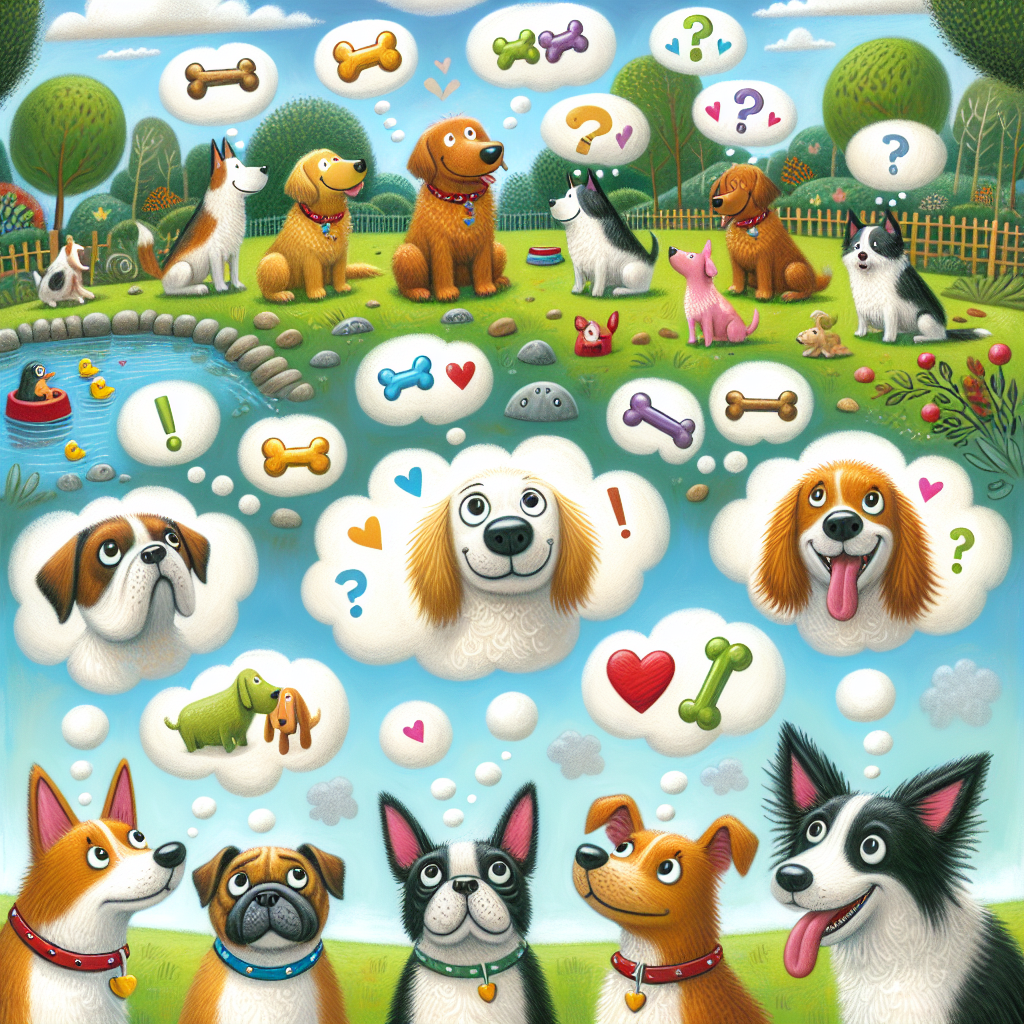
Decoding Dog Communication: Exploring Canine Language and Human Connection
The magic of canine communication is both profound and enchanting. To the avid dog lover, understanding a dog’s language is akin to discovering a new world. Dogs have been faithful companions to humans for thousands of years, yet the intricacies of their communication methods are often overlooked.
The Basics of Canine Communication
Decoding dog communication involves more than just picking up on the occasional bark or wagging tail. Dogs use a blend of vocal signals, body language, and even intangible signals to communicate. Here are some primary components of canine communication:
- Vocalizations: Barks, growls, whines, and howls are just some of the sounds dogs use.
- Body Language: From a wagging tail to raised hackles, dogs express their feelings visibly.
- Facial Expressions: The position of a dog’s ears, eyes, and mouth says a lot about their mood.
- Scents: Dogs leave scent marks and even emit pheromones as communication.
Understanding these components provides insights into how dogs perceive their environment and signals their emotional state.
The Vocal Language of Dogs
When we think of dog communication, barking often comes to mind first. While barking can indicate various feelings, from excitement to fear, it’s not the only way dogs vocalize:
- Barking: Specific barks can denote friendliness, aggression, or alertness. Learning the differences can strengthen your bond with your furry friend.
- Growling: Although often associated with aggression, growls can also occur during play or indicate discomfort with a situation.
- Whining: Often a plea for attention or a signal of discomfort.
- Howling: This can be a response to certain sounds or a means of long-distance communication.
Body Language: Unspoken Words
In the realm of canine language, perhaps the most expressive form is body language, which encompasses a wide array of signals. These signals help demonstrate a dog’s feelings and intentions:
- Tail Wagging: Although commonly misconstrued as happiness, the meaning of a wagging tail can vary. Pay attention to the wag’s speed and direction.
- Posture: A relaxed stance indicates comfort, while a rigid posture might suggest tension or aggression.
- Ear Position: Ears back can signal submission or fear, while forward-facing ears indicate curiosity or alertness.
- Eye Contact: Staring can be a challenge, while soft, blinking eyes often show affection.
Every dog is unique, and familiarity with their specific expressions and movements goes a long way in reading their unspoken language.
The Human-Canine Connection
Humans have long been fascinated by the human-canine connection, often approaching it with a mix of reverence and curiosity. Understanding dog communication isn’t just about knowing what they’re expressing—it’s about establishing a reciprocal bond.
Benefits of Understanding Canine Language:
Establishing a thorough understanding of a dog’s language offers multiple benefits:
- Stronger Bond: Improved understanding leads to a deeper emotional connection and trust.
- Better Training: Recognizing signs of stress or excitement aids in adjusting training methods accordingly.
- Reduced Conflict: Understanding aggression or fear signals helps prevent potentially harmful situations.
- Enhanced Wellbeing: Knowing when a dog feels anxious or unwell allows for timely interventions.
One might wonder, how can we enhance this connection?
Tips for Enhancing Human-Dog Communication
- Observe Close Encounters: Pay attention to your dog’s interactions with other dogs and people to learn their specific quirks.
- Respond Appropriately: Acknowledge your dog’s signals with positive reinforcement or corrective behavior.
- Use Consistent Commands: Consistency in commands helps your dog understand your expectations.
- Engage in Regular Interaction: Spend quality time together to reinforce a strong communication bond.
The Continuous Journey of Learning
Understanding dog communication is a continuous journey that evolves with every interaction. The bond between humans and dogs extends beyond mere companionship, merging into a partnership that can significantly enrich the lives of both entities. Through patience, observation, and adaptability, anyone can become a pro at deciphering the deeply intricate realm of canine communication.
As we navigate this journey, we discover that the connection with our canine companions transforms our perceptions, nurturing a profound bond that transcends the barriers of language and culture.