
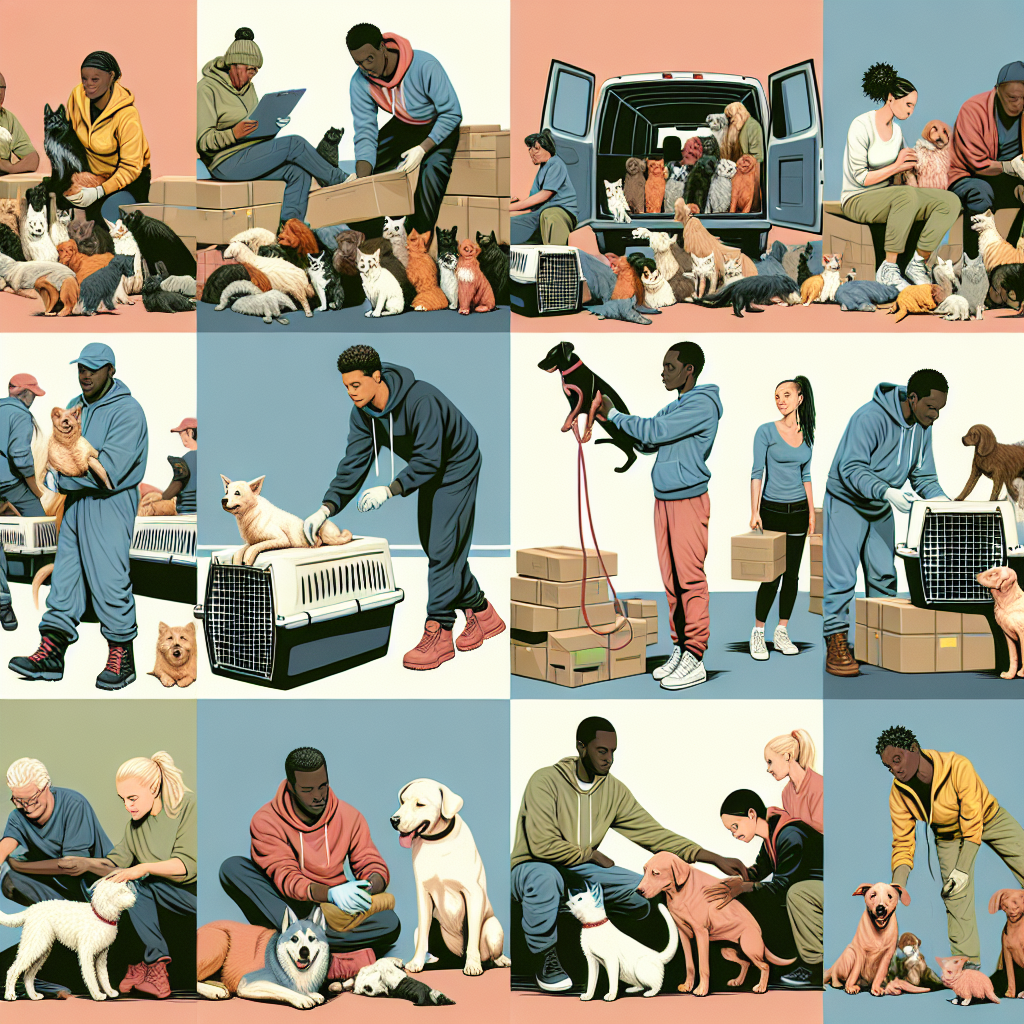
Volunteers Transport Rescue Pets North for New Homes and Hope
In the heartwarming world of animal rescue, a powerful network of volunteers is working tirelessly to offer a second chance to countless dogs and cats. These dedicated individuals transport rescue pets from the southern regions of the United States, where animal shelters are often overcrowded, to northern states where demand for adoption is higher. This compassionate endeavor is not just about relocating animals; it’s about giving our furry friends a new lease on life and spreading hope across the nation.
The Problem of Overcrowded Shelters
Animal shelters in the American South face a persistent challenge: overcrowding. Many shelters operate in communities with fewer resources and higher rates of abandonment. The unfortunate reality is that despite the tireless work of shelter staff, there simply aren’t enough homes for all the animals in need.
Why Overcrowding Occurs
Several factors contribute to this issue, including:
- Lack of spay and neuter programs
- Poverty and economic challenges leading to abandonment
- Stray animal populations
- Cultural differences in pet ownership and adoption
The result is heartbreaking: countless animals face the possibility of euthanasia, simply due to a lack of space.
How Volunteer Networks Are Making a Difference
Amidst these challenges, a grassroots movement is making a significant impact. Volunteer networks, comprised of individuals from varied backgrounds, are stepping in to bridge the gap. Their mission is to relocate animals from areas of high supply to those of higher demand, effectively reversing the fate of many dogs and cats.
The Process of Pet Relocation
The relocation process involves several steps:
- Identifying shelters with overcrowding issues
- Working in partnership with northern shelters and adoption centers
- Coordinating safe and humane transport for the animals
- Fostering pets temporarily if needed
This coordinated effort ensures that each animal has the best possible chance of finding a forever home.
Case Study: Paw to Heart
One exemplary organization in this movement is Paw to Heart, a volunteer group that started small but has quickly grown into a major player in animal relocation. Their approach involves a sophisticated network of volunteers and partners, maximizing their impact on rescuing animals.
What Sets Paw to Heart Apart?
Paw to Heart leverages technology and social media to amplify their reach. They utilize apps for coordination, making the logistics smoother and more efficient. Through extensive use of social networks, they connect with potential adopters and partners, spreading awareness and driving adoption rates higher.
Their success is not just in numbers but also in the stories of happy families who have welcomed rescue pets into their homes.
The Northern Advantage
The northern U.S. offers a more promising environment for shelter animals. Humane societies in these regions often have lower admission rates, which leads to higher adoption rates. This discrepancy creates a unique opportunity to foster partnerships that reciprocate aid and resources.
Enhanced Adoption Rates
Northern states typically experience:
- Higher public awareness about adoption and rescue
- Better funded and managed shelter facilities
- Enhanced community support for animal welfare initiatives
These factors combine to create a perfect stage for successful shelter and adoption experiences.
Impact on Animal Welfare
The success of these volunteer networks is profoundly impacting animal welfare. By transporting animals north, they’re not only mitigating the burden on southern shelters but also ensuring better quality of life for the animals.
Benefits for the Animals
Rescue relocations offer numerous advantages, including:
- Increased chances of adoption
- Better living conditions during the transition
- Reduced stress and anxiety through compassionate handling
Importantly, these efforts also raise awareness about the plight of shelter animals, encouraging a culture of adoption over breeding or abandonment.
Conclusion: The Road Ahead
As this movement continues to gain momentum, its impact is felt both within and beyond the animal rescue community. Volunteers transporting rescue pets north provide much more than a new home; they offer hope and a brighter future for hundreds, if not thousands, of animals. The journey may be long, and the logistics complex, but the outcome—new beginnings and joyous reunions—makes every effort worthwhile.
The role of these volunteers cannot be overstated. By bridging geographical and socioeconomic divides, they are charting a new path for animal welfare in America. With continued support, expansion, and innovation, this network of dedicated individuals will undoubtedly play a pivotal role in transforming the landscape of pet adoption and rescue.